

The Role of Influencers in Restaurant Marketing
With the rise of social media, influencers have become an increasingly important part of restaurant marketing. Influencers who started as food bloggers are individuals with a large following on social media who can promote and endorse products and services to their audience. In this blog, we’ll explore the role of influencers in restaurant marketing and how they can help restaurants reach their target audience and achieve success.

How can influencers help restaurants reach a wider audience?
Influencers have a tremendous amount of power when it comes to promoting products and services. With their large following and engaged audience, influencers can help in restaurant marketing to reach a wider demographic and increase their visibility online. They can create content that showcases a restaurant’s menu, ambiance, and overall dining experience, generating buzz and excitement around a restaurant.
How can restaurants measure the success of influencer marketing?
Restaurants can track metrics such as engagement, reach, and conversions to determine the effectiveness of their influencer partnerships. Engagement metrics include likes, comments, and shares on social media posts, while reach metrics measure the number of people who have seen the post. Conversions can be measured by tracking how many people have made a reservation or visited the restaurant after seeing an influencer’s post. By tracking these metrics, restaurants can determine which influencers are most effective and adjust their strategy accordingly.
Here are some key roles influencers can play in restaurant marketing:
Increased Reach and Exposure:
Influencers typically have a large and engaged following on social media platforms, allowing them to reach a wide audience. By collaborating with influencers, restaurants can tap into their followers’ networks and gain exposure to potential customers who may not have been aware of the establishment otherwise.

Social Media Promotion:
Influencers/food bloggers excel at creating visually appealing and engaging content on social media platforms such as Instagram, YouTube, and TikTok. They can showcase the restaurant’s ambiance, food presentation, and overall experience through high-quality photos, videos, and reviews. This kind of user-generated content can generate buzz, increase brand awareness, and attract new customers.
Collaboration and Partnership:
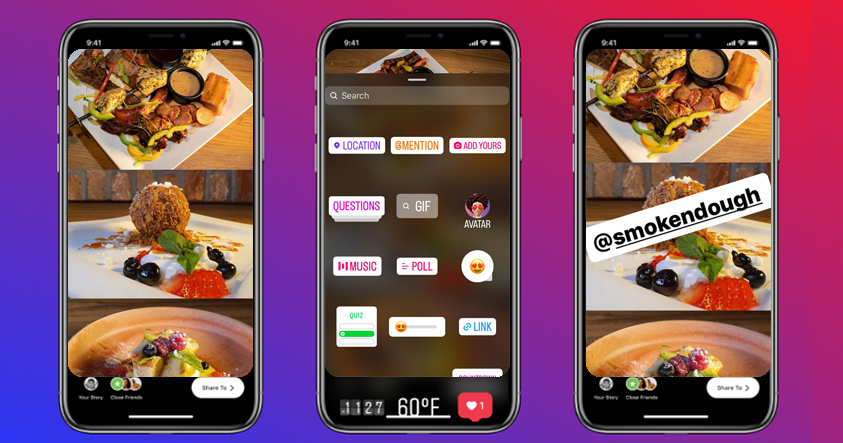
Restaurants/food bloggers can collaborate with influencers in various ways. This may include hosting influencer events, inviting them for tastings or exclusive experiences, or providing special discounts or promotions for their followers. Influencers may also create sponsored content, such as sponsored posts, videos, or giveaways on social media, which can generate excitement and attract new customers.

Targeted Marketing:
Influencers/food bloggers have the ability to target specific demographics and niches. By choosing influencers whose audience aligns with the restaurant’s target market, the establishment can reach a more relevant audience. For example, if a restaurant wants to attract health-conscious individuals, collaborating with fitness or wellness influencers can help reach that specific demographic.
Feedback and Reviews:
Influencers can provide valuable feedback to restaurants based on their experiences. Their reviews, suggestions, and criticisms can help restaurants improve their offerings, enhance the customer experience, and make necessary changes to meet consumer preferences.
Finding the Right Influencers:
When it comes to restaurant marketing, finding the right influencers is key. It’s important to identify influencers who align with the restaurant’s brand and target audience. For example, if a restaurant specializes in vegan cuisine, it would make sense to partner with influencers who promote a vegan lifestyle.
Restaurants can also partner with local influencers who have a strong following in the community. This can help increase visibility and generate word-of-mouth marketing.