


Why Voice Search Is Important for Businesses
Voice search is changing customer behaviour. People use it to find local businesses, research products, get directions, and make purchasing decisions.
Some key trends include:
- Nearly 76% of voice search users look for local businesses at least once a week.
- Voice searches are typically 3–5 times longer than typed searches.
- Mobile devices account for a significant percentage of voice-based queries.
- Most voice searches are conversational and question-based.
For businesses, this means creating content that directly answers customer questions and delivers information quickly.
Understanding How People Use Voice Search

Focus on Conversational Keywords
Voice search users speak in complete sentences. This makes long-tail keywords more valuable than ever.
Instead of targeting:
- Digital marketing agency
- Indian restaurant
- SEO services
Consider targeting phrases such as:
- Which digital marketing agency can help my business grow online?
- Where can I find authentic Indian food near me?
- What are the best SEO services for small businesses?
Research customer questions, review FAQs, and analyse search trends to identify the phrases your audience actually uses.

Create Content That Answers Questions
Many voice searches begin with:
- Who
- What
- Where
- When
- Why
- How
Creating content around these questions increases your chances of appearing in voice search results.
Examples include:
FAQ Pages
Answer common customer questions clearly and concisely.
Blog Posts
Create detailed articles that solve customer problems.
How-To Guides
Provide step-by-step instructions that are easy to follow.
Location Pages
Answer local search queries and provide business information.
The more directly you answer a question, the more likely search engines are to use your content as a voice search response.

Optimise for Featured Snippets
Featured snippets are the answer boxes that appear at the top of Google’s search results.
These snippets are often used by voice assistants when responding to user queries.
To increase your chances of earning featured snippets:
- Use clear headings and subheadings.
- Answer questions immediately after the heading.
- Include bullet points and numbered lists.
- Keep answers concise and easy to understand.
Featured snippets can significantly increase visibility and drive more traffic to your website.

Strengthen Your Local SEO Strategy
Many voice searches have local intent.
Common examples include:
- “Best restaurant near me”
- “Coffee shop open now”
- “Digital marketing agency near me”
To improve local visibility:
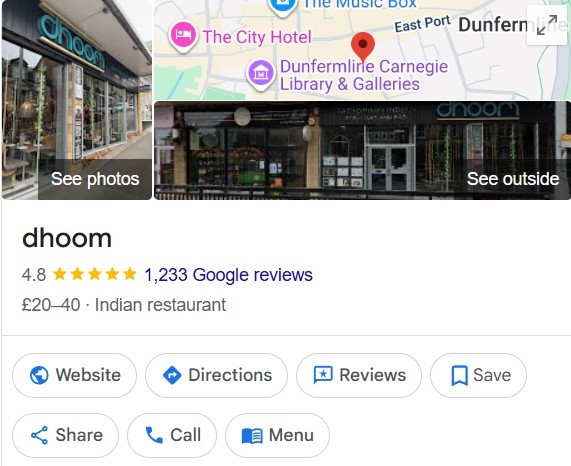
- Optimise your Google Business Profile.
- Ensure your name, address, and phone number are consistent everywhere online.
- Collect genuine customer reviews.
- Include local keywords throughout your website.
- Create location-specific landing pages.
Strong local SEO helps businesses appear in both traditional and voice search results.

Improve Website Speed and Mobile Performance
Voice search users expect immediate answers.
A slow website can result in higher bounce rates and lower search rankings.
To improve performance:
- Compress images.
- Reduce unnecessary code and scripts.
- Enable browser caching.
- Use reliable hosting services.
- Optimise for mobile devices.
Google prioritises websites that provide a fast and seamless user experience.

Implement Structured Data Markup
Structured data helps search engines understand your content more effectively.
Schema markup can provide additional information about:
- Businesses
- Products
- Reviews
- Events
- FAQs
- Services
When search engines understand your content better, they can display it more prominently in search results and voice assistant responses.
Write Content for Humans First
One of the most effective voice search strategies is also one of the simplest: write naturally.
Avoid keyword stuffing and focus on creating content that sounds like a real conversation.
Use:
- Simple language
- Short paragraphs
- Natural phrasing
- Clear explanations
Voice assistants favour content that mirrors how people actually speak.

The Future of Voice Search
How DigitalPlus24x7 Can Help
Voice search optimisation requires more than simply adding a few keywords to your website. It involves technical SEO, content strategy, local SEO, website performance improvements, structured data implementation, and ongoing optimisation.
At DigitalPlus24x7, we help businesses prepare for the future of search by creating websites and content strategies that are built for both traditional and voice-based searches.
Our team can help you:
- Conduct voice search keyword research
- Create SEO-friendly blog content
- Optimise your website structure
- Improve page speed and mobile performance
- Strengthen local SEO visibility
- Implement schema markup
- Increase your chances of appearing in featured snippets
- Develop long-term organic growth strategies
As consumer search habits continue to evolve, businesses that adapt early will have a clear competitive advantage. With the right strategy in place, voice search can become a powerful channel for attracting new customers and increasing online visibility.
DigitalPlus24x7 can help ensure your business is ready for the next generation of search and discoverability. By combining data-driven SEO strategies with high-quality content and technical expertise, we help businesses get found, stay visible, and grow online.