by digitalplus | Mar 25, 2026 | Technology
The Benefits of Paid Social Media Advertising: Is It Worth the Investment?
In today’s digital-first world, social media is no longer just a place to connect with friends — it’s where brands are discovered, explored, and chosen. While organic reach still plays a role, it has become increasingly limited. That’s where paid social media advertising steps in, offering businesses a powerful way to cut through the noise and reach the right audience at the right time.
So the question is simple — is it worth the investment? Let’s break it down.
What is Paid Social Media Advertising
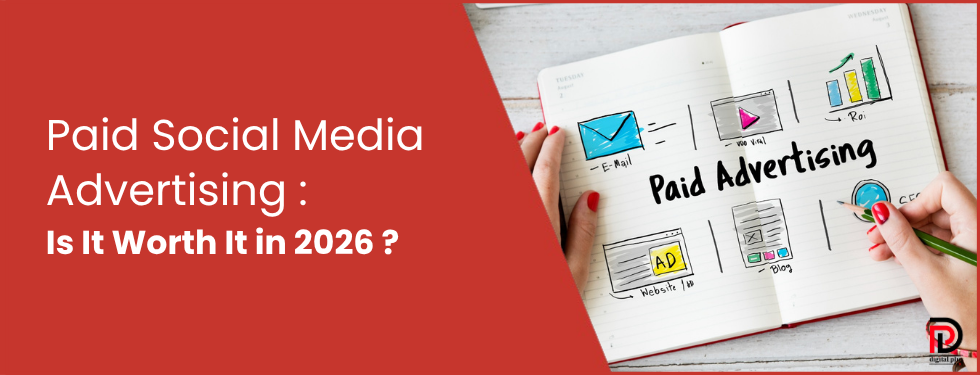
Paid social media advertising refers to promoting your content, products, or services through sponsored posts on platforms like Instagram, Facebook, LinkedIn, and TikTok. Unlike organic posts, these ads are strategically targeted and backed by a budget to ensure they reach a wider and more relevant audience.
Instant Visibility and Reach
One of the biggest advantages of paid advertising is speed. Organic growth can take time, but paid ads deliver immediate visibility. Whether you’re launching a new product, promoting an event, or trying to build brand awareness, paid campaigns can put your business in front of thousands — or even millions — of users almost instantly.
This is especially useful for new businesses or brands entering competitive markets where standing out organically is challenging.
Paid social media platforms offer advanced targeting options that allow you to reach specific audiences based on demographics, interests, behaviors, and even past interactions.
This means your ads are not just being seen — they’re being seen by people who are most likely to be interested in what you offer. Whether it’s food lovers, fitness enthusiasts, or frequent travelers, you can tailor your campaigns to speak directly to them.
Contrary to popular belief, paid advertising doesn’t always require a massive budget. In fact, it’s one of the most flexible marketing tools available. You can start small, test different campaigns, and scale what works.
Compared to traditional advertising methods, paid social ads often deliver better ROI because you’re not wasting money on audiences who aren’t relevant to your business.
Measurable Results and Insights
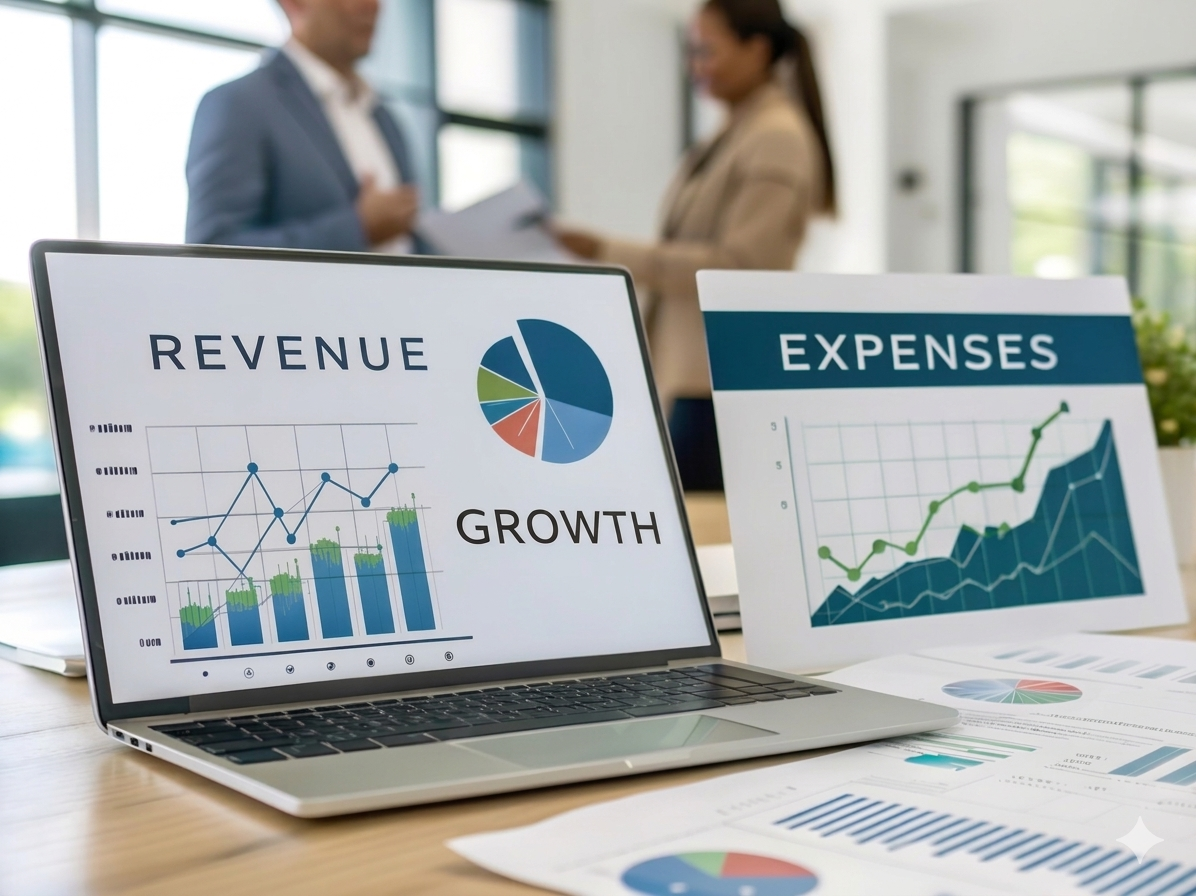
One of the strongest benefits of paid social media advertising is the ability to track performance in real time. You can monitor metrics such as reach, engagement, clicks, conversions, and return on ad spend.
These insights help you understand what’s working and what’s not, allowing you to refine your strategy and make data-driven decisions. Over time, this leads to more efficient campaigns and better results.
Boosts Brand Awareness and Credibility
Consistent visibility builds familiarity, and familiarity builds trust. When users repeatedly see your brand in their feed, it creates a sense of recognition and credibility.
Even if they don’t engage immediately, your brand stays top of mind. When they are ready to make a purchase, they’re more likely to choose a brand they’ve seen before.
Paid and organic strategies work best when combined. Paid ads can amplify your best-performing content, driving more engagement and visibility, which in turn can boost your organic reach.
For example, promoting a high-quality reel or post can help it gain traction faster, increasing its chances of being picked up by the algorithm.
Drives Conversions and Sales
At the end of the day, marketing is about results. Paid social media advertising is designed not just to attract attention, but to drive action — whether that’s website visits, bookings, sign-ups, or purchases.
With features like call-to-action buttons, retargeting, and conversion tracking, businesses can guide users through the entire customer journey, from discovery to decision.
So, Is It Worth the Investment
The short answer is yes — when done right.
Paid social media advertising is not just about spending money; it’s about investing strategically. Businesses that take the time to understand their audience, create compelling content, and continuously optimize their campaigns are the ones that see real returns.
However, it’s important to remember that paid ads are not a magic solution. Without strong visuals, clear messaging, and a well-defined strategy, even the biggest budgets can fall short.
Paid social media advertising has become an essential tool for businesses looking to grow in a competitive digital landscape. It offers speed, precision, and measurable impact — something traditional marketing often struggles to match.
Whether you’re a small business owner or an established brand, the key is to start smart, test consistently, and focus on delivering value to your audience.
Because in the end, it’s not just about reaching people — it’s about reaching the right people and turning attention into action.
by digitalplus | Feb 20, 2026 | Technology
The AI Algorithm: A Google Algorithm Update Retrospective
If there’s one thing the digital world guarantees, it’s change. When Google introduced its major AI-focused algorithm refinements throughout 2025, it didn’t feel like a routine update. It felt like a shift in direction. Search didn’t just become smarter. It became more intuitive, more contextual, and more human in the way it evaluated content.
Looking back at 2025, it’s clear that this was the year AI stopped being a supporting feature and started becoming the backbone of Google’s search ecosystem. For businesses, marketers, and agencies, this meant rethinking long-standing SEO habits and focusing on what truly creates sustainable visibility.
Intent Took Priority Over Keywords
For years, SEO strategies were heavily centered around keywords. But in 2025, search intent became the real ranking driver. Building on technologies like RankBrain and BERT, Google’s AI advanced to a point where it could understand nuance in ways that felt almost conversational.
Search queries were no longer treated as simple strings of text. They were interpreted within context. The algorithm began analyzing user behavior, previous searches, location signals, and even subtle phrasing to determine what someone actually meant.
This shift forced brands to move beyond surface-level optimization. Simply inserting keywords into content was no longer enough. Pages that genuinely answered questions, addressed pain points, and provided depth began to outperform those built purely for ranking. The focus transitioned from keyword targeting to intent alignment.
Quality and Authenticity Outranked Volume
The rise of AI writing tools before 2025 led to an explosion of content online. Publishing became faster and more accessible, but it also resulted in a flood of repetitive, low-value articles. Google responded by sharpening its ability to evaluate depth, originality, and credibility.
Experience and expertise became stronger differentiators. Content that demonstrated real-world understanding, unique insights, and topical authority started ranking more consistently. Meanwhile, generic mass-produced content gradually lost visibility.
The algorithm matured. It began rewarding brands that invested in research, storytelling, and thoughtful structure. Rather than chasing every trending keyword, successful businesses focused on building authority within a defined niche. Sustainable growth replaced short-term spikes.
User Engagement Became a Core Signal
Another defining characteristic of the 2025 update was the growing importance of user interaction patterns. Instead of relying on isolated metrics, Google’s AI began interpreting engagement trends holistically.
Did users stay on the page long enough to consume meaningful content. Did they navigate deeper into the site. Or did they return to search results immediately. These patterns provided insight into satisfaction and relevance.
For brands, this meant content strategy had to evolve. It was no longer enough to generate traffic. The real challenge was retaining attention and delivering value throughout the entire experience. Clear formatting, logical flow, strong introductions, and purposeful conclusions became essential components of SEO success.
When we reflect on the 2025 AI algorithm update, one message stands out clearly. SEO is no longer about gaming the system. It is about understanding people. The brands that adapted successfully were those that embraced a user-first mindset and built digital strategies around clarity, credibility, and relevance.
At digitalplus24x7, this shift reinforced the approach we have always believed in. Instead of reacting to algorithm changes with panic, we focus on building resilient strategies grounded in intent-driven content, authentic brand positioning, and meaningful engagement. Our goal has never been short-term ranking gains. It has always been long-term digital growth.
by digitalplus | Jan 20, 2026 | Technology
From Subscribers to Superfans: The Power of Email Marketing and Community-Driven Newsletters
In a digital landscape shaped by algorithms, short attention spans, and constant change, email marketing remains one of the most reliable ways to build genuine relationships with an audience. While social media reach fluctuates and platforms decide who sees what, email offers brands something far more valuable—direct, personal access to their subscribers. When used strategically, newsletters become more than just updates. They become communities. And communities turn subscribers into superfans.
Unlike social media, where content can disappear within minutes, email gives brands the opportunity to stay present in their audience’s daily lives. A well-crafted newsletter can feel less like marketing and more like a conversation, building familiarity and trust over time.
Email is permission-based. When someone subscribes, they are choosing to hear from your brand. This creates a powerful foundation of trust that no social platform can truly replicate. Your emails land in a personal space—the inbox—where people read messages from friends, colleagues, and brands they care about.
Unlike paid ads or organic social posts, email allows consistent communication without relying on changing algorithms or rising ad costs. You are not competing for attention in a crowded feed. Instead, you are speaking directly to someone who has already expressed interest in your business.
For brands focused on long-term growth, this control makes email marketing one of the strongest pillars of community-driven content.
What this means for brands:
- Create content that hooks attention in the first 3 seconds.
- Focus on storytelling, not just product plugs.
- Repurpose long videos into multiple short clips.
DigitalPlus24x7 helps you plan, script, and edit short‑form videos that connect with your audience and align with your brand voice.
Newsletters as a Community Tool
Modern newsletters are no longer promotional broadcasts filled only with offers and announcements. The most successful newsletters are value-led conversations. They focus on sharing insights, stories, experiences, and meaningful updates that keep subscribers engaged and emotionally connected to the brand.
Community-driven newsletters make readers feel like they are part of something. Whether it is industry knowledge, behind-the-scenes content, or thoughtful commentary, the goal is to give subscribers a reason to keep opening and engaging.
Turning Subscribers into Superfans
Email marketing builds superfans through three key elements: consistency, value, and connection.
Regular communication builds familiarity. When people see your brand in their inbox week after week, your voice becomes recognisable and trusted.
Personalised messaging creates relevance. Using subscriber names, interests, or behaviour-based content makes communication feel tailored instead of generic.
Storytelling builds emotional connection. Sharing journeys, lessons, wins, and challenges makes a brand relatable and memorable.
Finally, inviting interaction fosters belonging. Asking for opinions, encouraging replies, or sharing user stories turns one-way communication into a conversation. Over time, subscribers move from passive readers to loyal advocates who trust the brand and support its growth.
How DigitalPlus24x7 Builds Email-Driven Communities
At DigitalPlus24x7, email marketing is approached as a relationship-building tool, not just a campaign channel. The focus is not on sending more emails, but on sending better ones—emails that reflect brand personality, provide value, and encourage engagement.
DigitalPlus24x7 helps brands:
Develop value-driven newsletter strategies
Create consistent, on-brand email content
Use storytelling to humanise communication
Build long-term subscriber relationships
Strengthen trust and retention through owned audiences
By prioritising connection over conversion, DigitalPlus24x7 enables brands to build communities that grow stronger with every interaction. Instead of chasing short-term clicks, the focus is on creating lasting relationships that support sustainable growth.
The Long-Term Impact of Email Communities
Success in email marketing is not measured only by open rates or click-through percentages. While those metrics matter, true community success is reflected in engagement, replies, referrals, and long-term loyalty.
Superfans don’t just consume content—they interact with it. They forward emails, recommend the brand to others, and remain loyal even when competitors appear. This kind of advocacy is invaluable and cannot be achieved through advertising alone.
When a brand owns its audience through email, it gains stability in an otherwise unpredictable digital environment.
In a crowded digital space, attention is temporary, but community lasts. Email marketing and newsletters give brands the power to own their audience and build relationships that go far beyond transactions.
By turning subscribers into superfans, community-driven email content becomes one of the most sustainable growth strategies available—and DigitalPlus24x7 continues to help brands do exactly that.
Ready to level up your social presence in 2026? Let DigitalPlus24x7 guide your digital journey.
by digitalplus | Dec 25, 2025 | Technology
Top Social Media Trends Every Brand Should Watch in 2026
Social media is evolving faster than ever. What worked last year won’t automatically work this year, and brands that stay ahead of the curve will win attention, loyalty, and conversions. As we move into 2026, new technologies, user behaviors, and platform features are reshaping the landscape. Here are the top social media trends every brand should watch — and how DigitalPlus24x7 can help you thrive.

Short‑Form Video Is Still King
Short-form video exploded with TikTok, then spread across Instagram Reels, YouTube Shorts, and Facebook. In 2026, short video isn’t just a way to get views — it’s table stakes. Audiences expect quick, authentic content that entertains and informs.
What this means for brands:
Create content that hooks attention in the first 3 seconds
Focus on storytelling, not just product plugs
Repurpose long videos into multiple short clips
DigitalPlus24x7 helps you plan, script, and edit short‑form videos that connect with your audience and align with your brand voice.
Social Commerce Will Continue to Expand
Shopping directly on social apps — without ever leaving the platform — is no longer a trend; it’s a consumer expectation. Instagram Shops, TikTok Shopping, and Pinterest Buyable Pins are transforming social feeds into storefronts.
Strategies for brands in 2026:
Tag products in posts and videos
Use live shopping events to boost sales
Highlight user reviews and UGC (user‑generated content)
With DigitalPlus24x7, your brand can set up social storefronts, optimize product catalogues, and run targeted campaigns that convert followers into buyers.

Community and Niche Networks Gain Traction
While Meta and TikTok dominate, niche social platforms and private communities are booming. Groups on platforms like Discord, Reddit, WhatsApp, and Telegram are becoming powerful engagement hubs for loyal audiences.
Why this matters:
Communities build deeper engagement
Brands can gather real, unfiltered feedback
Conversations turn followers into advocates
DigitalPlus24x7 helps you build, moderate, and grow niche communities to foster deeper connections.

AI‑Driven Personalization and Content Creation
Artificial Intelligence is not just a buzzword — it’s a tool brands use to deliver personalized experiences at scale. AI helps with content ideation, captions, visuals, posting schedules, and audience insights.
AI in social media means:
Personalized content recommendations
Automated content production at scale
Smart insights that improve performance
DigitalPlus24x7 uses AI tools to create tailored social strategies, craft optimized content, and analyze performance data so you make smarter decisions.
Authenticity Beats Perfection
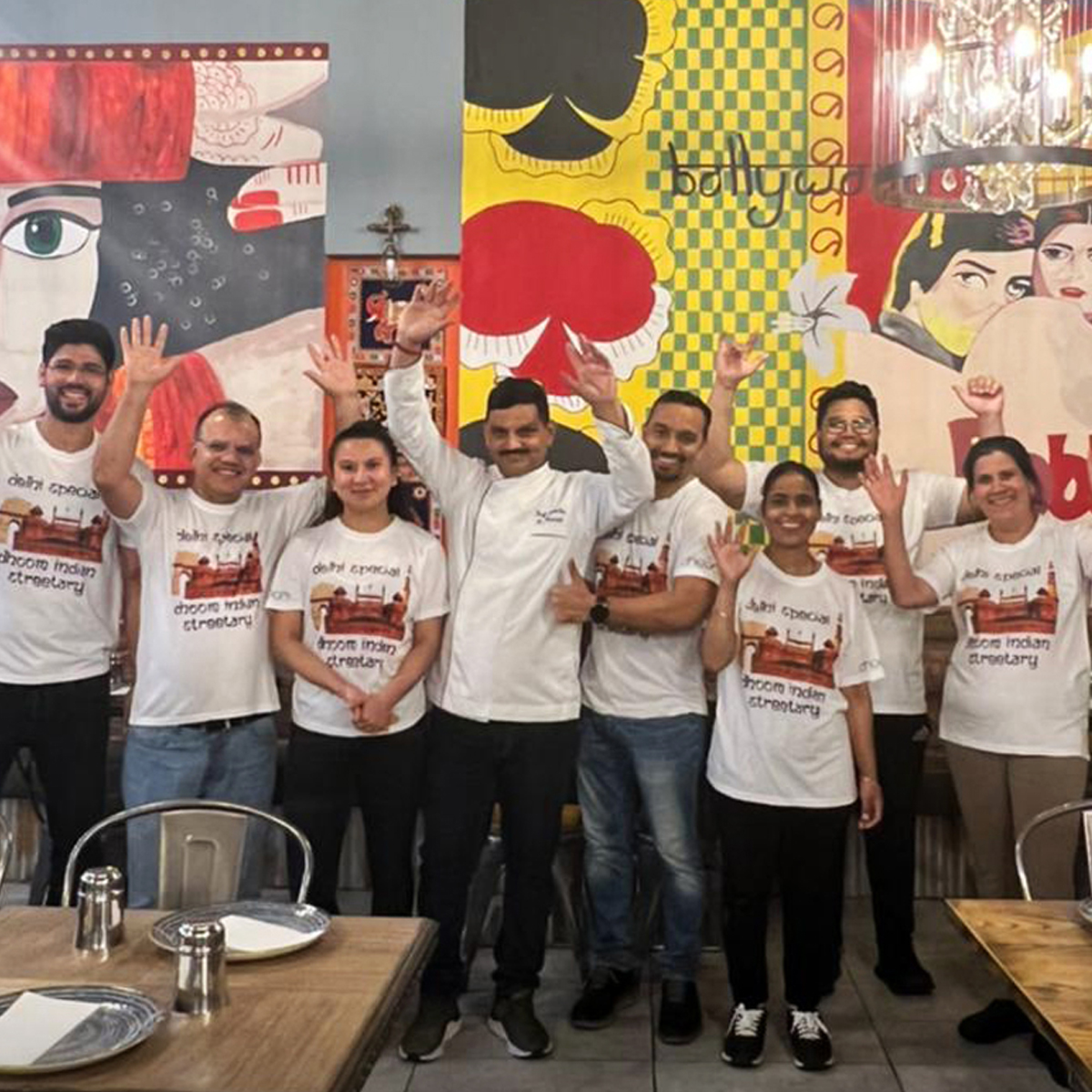
Today’s audiences have grown skeptical of highly polished, overly curated content. They want real stories, relatable creators, and honest messaging. Brands that show vulnerability, values, and purpose drive stronger engagement.
Brand content that performs well:
Behind‑the‑scenes moments
Real customer stories
Human‑centered messaging
DigitalPlus24x7 works with you to uncover your brand story and present it honestly to your audience, driving trust and loyalty.
Social Advertising Gets Smarter
Ad budgets are shifting to platforms and formats that deliver measurable ROI. In 2026, performance ads will include dynamic creative, precision targeting, and conversion‑focused funnels.
Key tactics include:
Retargeting warm audiences
Dynamic ads based on user behavior
A/B testing for creative optimization
DigitalPlus24x7 will manage your ad campaigns end‑to‑end, optimizing spend and maximizing your ROI across platforms like Meta, TikTok, and more.
How DigitalPlus24x7 Helps You Stay Ahead in 2026
At DigitalPlus24x7, we don’t just follow trends — we help you leverage them strategically. From content creation to community building, advertising to analytics, our tailored solutions are designed to help brands grow with purpose in an ever‑changing social media world.
What DigitalPlus24x7 Offers
Strategic social media planning
Short‑form video production
Social commerce setup & optimization
Community growth and engagement
AI‑enhanced content & analytics
Performance advertising (campaigns + reporting)
Whether you’re a startup trying to make your mark or an established brand ready to scale, DigitalPlus24x7 gives you the tools and expertise to navigate trends and win online.
Final Verdict
Social media in 2026 will be shaped by short‑form videos, social commerce, authentic communities, AI optimization, and smarter advertising. The brands that succeed will be those that adapt quickly, prioritize genuine engagement, and craft meaningful experiences.
Ready to level up your social presence in 2026? Let DigitalPlus24x7 guide your digital journey.
by digitalplus | Nov 20, 2025 | Technology
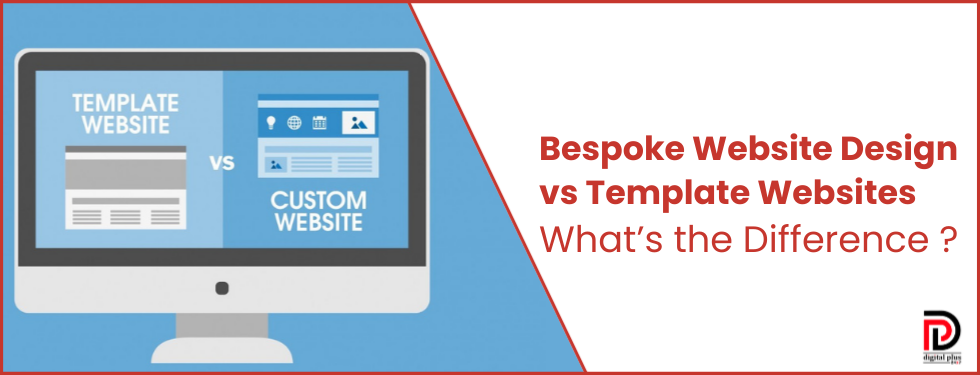
Bespoke Website Design vs Template Websites — What’s the Difference?
In today’s crowded digital world, your website is often the first handshake with your audience. It’s your online storefront, your brand voice, and your opportunity to make a flawless first impression. The way your website is built isn’t just a technical choice — it’s a strategic decision that shapes how people see your business.

Bespoke Website Design
A bespoke website is crafted from scratch, built around your unique identity, goals, and user experience. Every detail — from the layout and colours to advanced features and customer journey — is purposely designed to showcase who you are.
It grows with your business, adapts to future needs, and gives you full freedom to create something truly unforgettable. If brand personality, performance, and differentiation matter, bespoke is where real impact begins.

Template Websites
Template websites use pre-designed structures that you can customise with your content. They’re quick, cost-effective, and ideal for small businesses that need to establish an online presence without major investment.
But templates also come with limitations: restricted design options, scalability challenges, and the risk of looking like many other websites out there.
Which option is right for you?
Choose Bespoke when you want a premium, tailored experience that stands apart.
Choose Template when you need a fast, budget-friendly solution to get online quickly.
Final Verdict
At DigitalPlus24x7, we specialise in both — crafting beautiful custom websites and refining templates to perform smarter and convert better. Our mission is to build websites that don’t just look good, but drive real business results.
Your website is more than pages and pixels — it’s your story, your credibility, and your chance to create meaningful connection.
Let’s build something that speaks your brand and sets you up for long-term success.
by digitalplus | Oct 25, 2025 | Technology
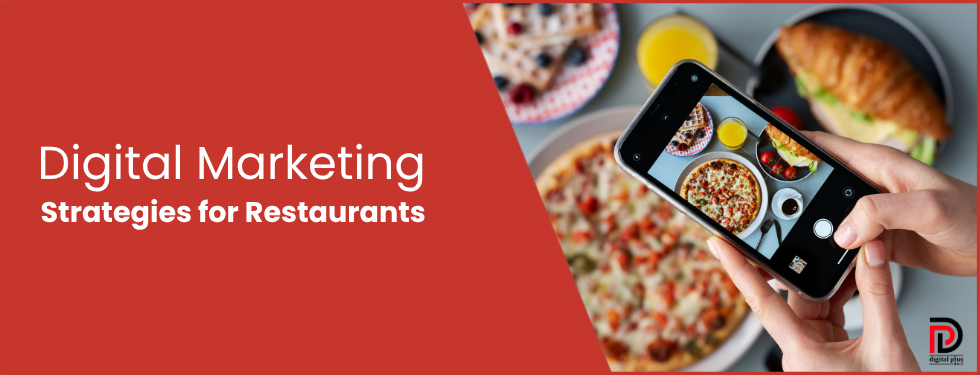
Digital Marketing Strategies for Restaurants
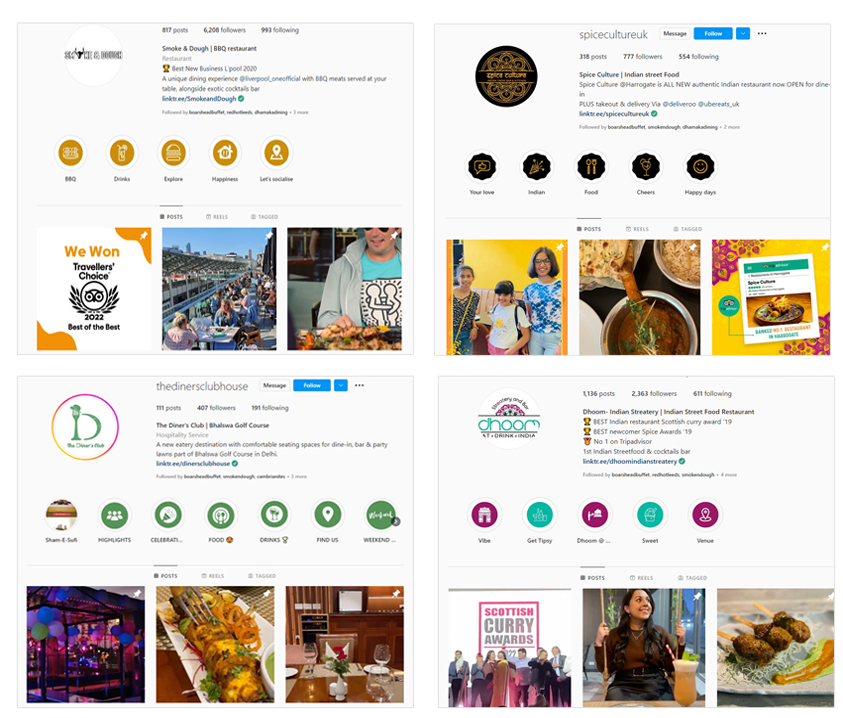
The restaurant industry is more competitive than ever. With customers constantly searching online for “best restaurants near me,” having a strong digital presence is no longer optional — it’s essential. Effective digital marketing strategies for restaurants can help you stand out, attract more diners, and turn one-time visitors into loyal fans.
Let’s explore the top restaurant digital marketing tactics that actually work in 2025.
1. Build a Strong Online Presence
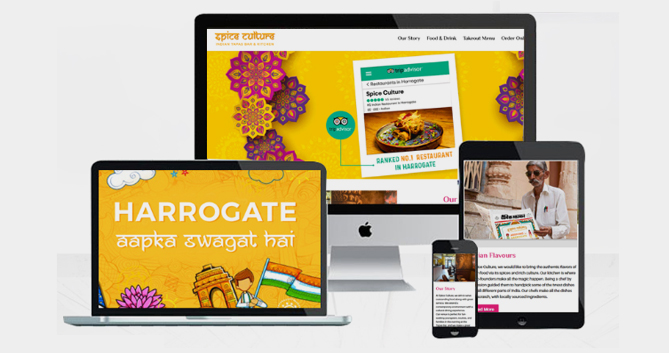
Your restaurant’s website is your digital storefront. A well-designed website not only showcases your menu but also tells your brand’s story and makes it easy for guests to book a table.
Key tips:
- Ensure your website is mobile-friendly and fast-loading.
- Add professional photos of dishes and interiors.
- Include an easy-to-find ‘Reserve Now’ button.
- Use SEO best practices to rank higher in local restaurant searches.
2. Optimize Your Google My Business Profile
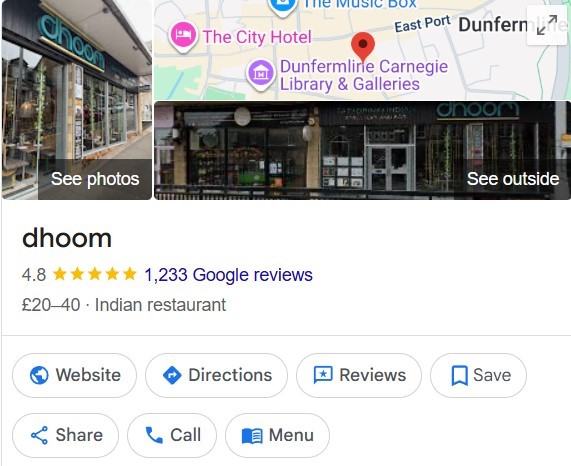
A complete and optimized Google My Business (GMB) profile can drive massive local traffic. It’s the first thing customers see when they search for nearby dining options.
Checklist for GMB success:
- Add accurate business information (hours, location, menu link).
- Upload high-quality food and ambience photos.
- Encourage happy customers to leave positive reviews.
- Respond to reviews to build credibility and engagement.
3. Leverage Social Media Marketing for Restaurants
Platforms like Instagram, Facebook, and TikTok are perfect for showing off your food and personality.
What works best:
- Share behind-the-scenes kitchen moments.
- Post reels of sizzling dishes and happy diners.
- Use trending hashtags like #Foodie, #RestaurantName, and #CityEats.
- Collaborate with local food influencers for authentic exposure.
Consistency and storytelling build brand loyalty faster than any ad can.
4. Run Targeted Ads on Meta and Google
Paid advertising can help you reach exactly the people who are most likely to visit your restaurant
Ideas to try:
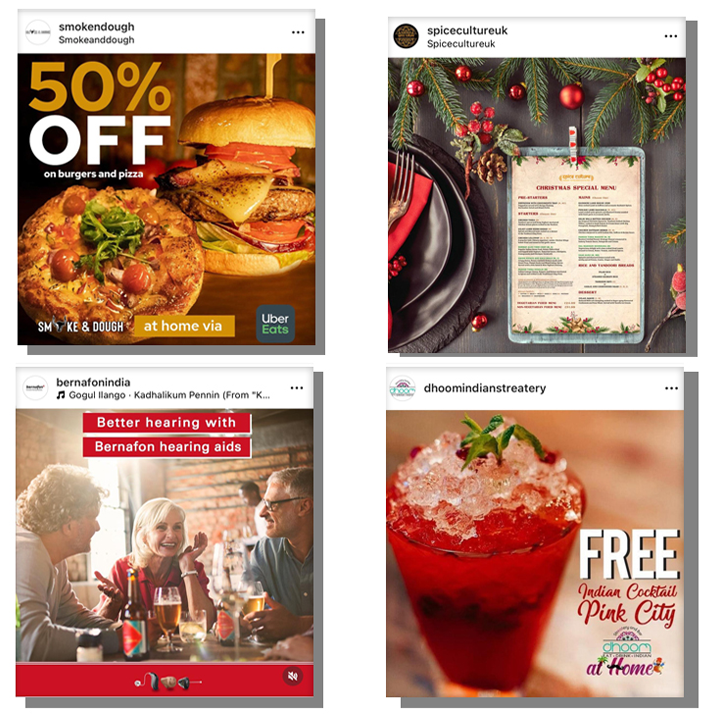
- Run location-based ads promoting new menu items or offers.
- Use retargeting campaigns to remind past visitors to return.
- Experiment with Google Ads for keywords like “romantic dinner near me” or “family restaurants in [your city].
5. Engage Customers Through Email Marketing
Email remains one of the most cost-effective ways to stay connected with diners.
What to include:
- New menu launches Exclusive offers or loyalty rewards Holiday or event promotions
- Segment your list — for example, regular diners vs. new sign-ups — and personalize messages for maximum engagement.

6. Encourage and Showcase Customer Reviews
Positive reviews are digital word-of-mouth. Display testimonials on your website, share screenshots on social media, and thank your customers publicly.
A restaurant with genuine reviews and engagement builds instant trust among potential diners.

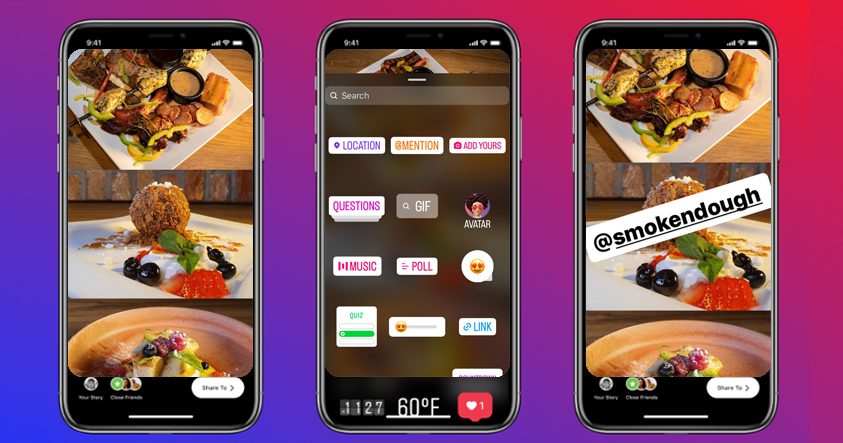
7. Partner with Food Bloggers and Influencers
Influencer marketing for restaurants is a proven growth booster. Collaborate with local creators who align with your brand’s personality.
They can:
- Review your dishes Create short video conten Share your offers with their loyal audience
- It’s an authentic way to build awareness and credibility in your local market.
8. Keep Your Brand Consistent
Every element — from your logo and tone of voice to your social media visuals — should reflect your brand identity.
Your restaurant’s online image should instantly communicate what diners can expect: authentic, premium, homely, or fun.
Consistency across channels builds recognition and trust — two pillars of strong restaurant branding
9. Use Analytics to Track What Works
Data is your secret ingredient for smarter marketing.
Track:
- Website traffic and click-through rates Ad performance Social media engagement Reservation and order conversions
- With insights, you can refine your digital marketing recipe for even better results.
Final Verdict
In 2025, successful restaurants aren’t just serving great food — they’re serving great digital experiences. From SEO optimization to social media storytelling and influencer partnerships, every touchpoint matters.
Start implementing these digital marketing strategies for restaurants today to attract more diners, grow your brand, and turn your restaurant into a local favorite.
At DigitalPlus24x7, we’re here to help you make that happen.