by digitalplus | Sep 20, 2025 | Technology
Unlocking Search Visibility in Digital Marketing
Imagine this: you’ve poured your heart into building a business, crafted a beautiful website, and filled it with products or services you know people need. But there’s one problem—when someone searches for what you offer, your brand is nowhere to be found. That’s where search visibility comes in.
In the world of digital marketing, search visibility is the bridge that connects your brand to your audience. Let’s break it down in simple words and explore why it matters, what can hurt it, and how you can improve it with the right help.
What is Search Visibility in SEO?
Search visibility is a measure of how easily your website can be found on search engines like Google. Think of it as your digital spotlight. The higher your visibility, the more likely your site will appear in front of people searching for products, services, or information you provide.
In SEO (Search Engine Optimization), search visibility is often expressed as a percentage. If your site shows up for relevant keywords and ranks higher in results, your visibility score goes up. On the flip side, if your competitors dominate the first page and you’re buried somewhere on page three, your visibility shrinks.
Why Search Visibility is So Important
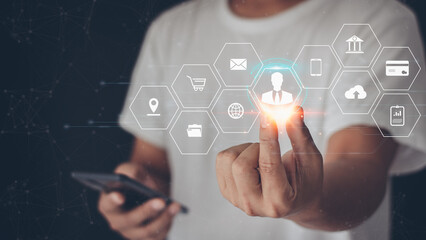
Search visibility isn’t just a fancy SEO term—it’s the lifeline of digital success. Here’s why:
- Trust and Credibility: People naturally trust websites that appear on the first page of search results.
- Traffic Equals Opportunity: Higher visibility means more visitors, and more visitors mean more chances to convert them into paying customers.
- Competitive Edge: In today’s fast-moving digital landscape, visibility can be the difference between a brand that thrives and one that gets forgotten.
Without visibility, even the best websites remain hidden treasures that no one discovers.
How to Check Your Search Visibility
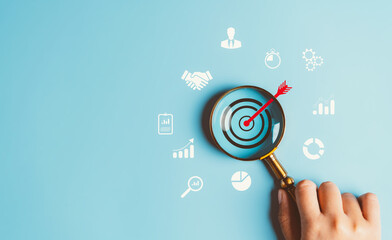
Thankfully, you don’t need to guess whether your brand is visible or not. There are tools that help you measure it:
- Google Search Console: Provides detailed reports on which queries bring users to your site.
- SEO Platforms (like SEMrush, Ahrefs, Moz): These tools give you a visibility score, keyword rankings, and competitor comparisons.
- Manual Check: Simply search for your target keywords on Google and see where your website shows up (but be careful—personalized search can sometimes skew results).
Regularly checking your visibility keeps you aware of where you stand and where you need to improve.
Factors That Negatively Affect Search Visibility
If your website isn’t showing up as often as you’d like, it may be due to:
- Poor Keyword Targeting: Not aligning your content with what people are actually searching for.
- Weak Content Strategy: Thin, duplicated, or outdated content makes it harder to rank.
- Technical SEO Issues: Slow page speed, broken links, and poor mobile optimization can drag visibility down.
- Low-Quality Backlinks: Spammy or irrelevant backlinks hurt your credibility.
- Ignoring Local SEO: For businesses serving specific regions, missing out on local optimization means missed opportunities.
These factors act like roadblocks, preventing search engines from giving your site the visibility it deserves.
How DigitalPlus24x7 Can Help You
At DigitalPlus24x7, we understand that search visibility is more than just numbers—it’s about making your brand seen, heard, and trusted. Our team works with passion and precision to:
- Optimize Your SEO: From keyword research to technical fixes, we ensure your site is built to rank.
- Craft Powerful Content: Engaging, valuable, and search-friendly content that attracts the right audience.
- Boost Local Visibility: Helping your business shine in local searches so you connect with nearby customers.
- Continuous Monitoring: We don’t just set things up and walk away—we track, analyze, and adapt strategies to keep you visible in the ever-changing digital world.
Because at the end of the day, visibility means opportunity, and opportunity means growth.
Final Verdict
Search visibility is not just about SEO—it’s about being present when your audience is looking for you. It’s about showing up at the right time, in the right place, with the right message.
If you feel like your brand is fading into the digital background, it doesn’t have to stay that way. With the right strategy and the right partner, you can step into the spotlight where you belong.
At DigitalPlus24x7, we’re here to help you make that happen.
by digitalplus | Aug 18, 2025 | Technology
Why Mobile Optimisation Matters in Digital Marketing
Let’s be honest — our phones are practically glued to our hands these days. Whether it’s scrolling through Instagram on the tube, ordering dinner while binge-watching Netflix, or quickly Googling something mid-conversation, mobile devices have become our constant companions.
And here’s the thing — 94% of UK adults own a smartphone. That’s almost everyone you know. Your parents, your best friend, your workmates… even your neighbour who still has a flip phone probably secretly has a smartphone tucked away somewhere.
So if you’re running a business and your website isn’t built to work beautifully on mobile, you’re basically shutting the door on the vast majority of your potential customers before they’ve even stepped inside.
Mobile Optimisation Isn’t Optional Anymore
Gone are the days when “mobile-friendly” was a nice little extra you’d brag about. Today, mobile optimisation is the foundation of any smart digital marketing strategy. It’s not about looking pretty on a phone screen — it’s about making sure your audience can connect with you anytime, anywhere, without the frustration of clunky layouts or painfully slow load times.

The Numbers Speak for Themselves
- 94% of UK adults now own a smartphone.
- Over 60% of all web traffic comes from mobile devices.
- More than 70% of e-commerce sales happen on smartphones or tablets.
- 97.8% of the UK population is online, and most of them have mobile access in their pocket right now.
These aren’t just stats — they’re a giant flashing sign telling you where your customers are hanging out.

Why It Matters for Your Business
Think about the last time you visited a website on your phone and it loaded weirdly, made you pinch-zoom to read anything, or had buttons so tiny you could barely tap them. Annoying, right? Chances are, you didn’t stick around for long.
Now flip that scenario. Imagine your customers opening your site and finding it quick to load, easy to navigate, and a breeze to shop from — all while they’re lying in bed or waiting in a coffee queue. That’s the kind of experience that builds trust and turns casual browsers into loyal customers.
A Mobile-First World
We live in a mobile-first world. Your customers aren’t just sitting at a desk to browse anymore — they’re living their lives on the go, and your digital presence needs to match that.
If your website isn’t mobile-optimised, you’re not just missing out on sales — you’re missing the chance to connect with people in the moments that matter most.
How DigitalPlus24x7 Can Help You Get There:
At DigitalPlus24x7, we make sure your brand doesn’t just “work” on mobile — it shines. From building responsive websites that load lightning-fast to crafting marketing campaigns designed for the small screen, we help you meet your customers exactly where they are.
We blend data-driven insights with creative design so your site not only looks stunning on every device but also delivers a smooth, frustration-free experience that keeps people coming back.
In a world where mobile is the present — not just the future — we’re here to make sure you’re not just keeping up, but leading the way.

by digitalplus | Jul 20, 2025 | Technology
AI-Powered Marketing in 2025: 3 Ways It’s Changing the Game
Artificial Intelligence is revolutionizing the digital marketing world — and in 2025, it’s no longer optional. From automation to hyper-personalization, AI is helping brands market smarter, faster, and more efficiently than ever before.
At DigitalPlus24x7, we embrace these innovations to help businesses scale and succeed in the digital space.
Personalisation Like Never Before
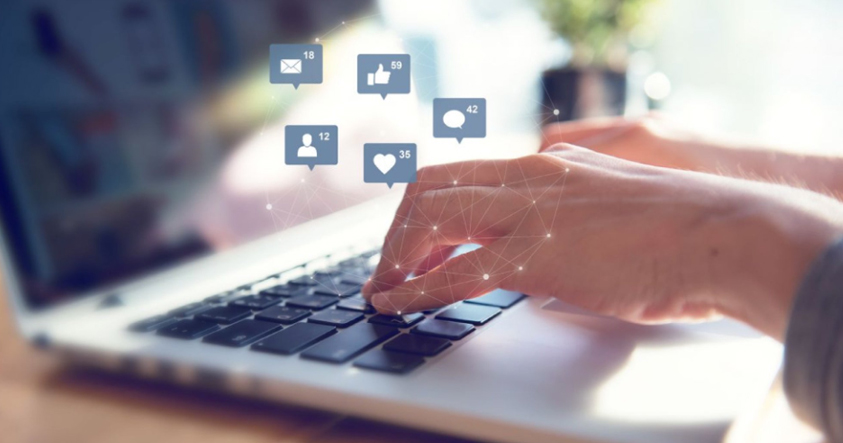
AI allows marketers to go beyond basic targeting. By analyzing user behavior, preferences, and interactions, it creates highly personalized content — from product suggestions to tailored emails and dynamic website experiences.
This kind of smart targeting leads to stronger engagement, improved conversion rates, and better customer retention.
Smarter, Data-Driven Decisions
AI tools process huge amounts of data instantly and turn it into actionable insights. This means more accurate campaign strategies, smarter budget allocation, and better understanding of customer journeys.
With predictive analytics, marketers can make informed decisions — not just react to data, but act ahead of it.
Faster & Smarter Content Creation
AI is transforming the way content is created. Tools like ChatGPT, Midjourney, and Canva AI help generate visuals, ad copy, and videos in a fraction of the time.
It accelerates the creative process while maintaining quality, allowing marketers to focus on strategy, storytelling, and audience connection.

Why Work with DigitalPlus24x7?
Choosing the right digital partner can be the difference between average growth and next-level success. Here’s why brands trust us:
- AI-Driven, Human-Led: We blend the power of cutting-edge AI tools with real human creativity and strategy.
- Results That Matter: From performance campaigns to content strategy, we focus on delivering measurable outcomes — not just impressions.
- End-to-End Solutions: Whether you’re starting out or scaling up, we manage everything — content, ads, branding, and more.
- Client-Centric Approach: Every brand is unique. Our work is tailored, data-backed, and built around your goals.
Final Thought:
AI is not replacing marketers — it’s empowering them.
At DigitalPlus24x7, we don’t just follow trends. We harness technology to build smarter marketing systems — so your brand can grow faster, connect deeper, and stay ahead of the curve.
Let’s innovate together! Contact DigitalPlus24x7 today and take your marketing strategy to the next level.

by digitalplus | Jun 24, 2025 | Technology
Analytics’ Role in Measuring Marketing Performance – A Guide
Launching a new campaign or rebranding your business? Great. But here’s the million-dollar question: What’s actually working—and what’s just draining your budget?
That’s where analytics come in. At DigitalPlus24x7, we believe that data-driven marketing isn’t just smart—it’s essential.
What is Marketing Analytics?
Marketing analytics is the process of tracking, measuring, and analyzing the performance of your marketing activities. It shows you how your audience interacts with your brand, and most importantly, what’s driving real results—be it clicks, conversions, or cold, hard revenue.
Key Types of Marketing Analytics
Website Analytics
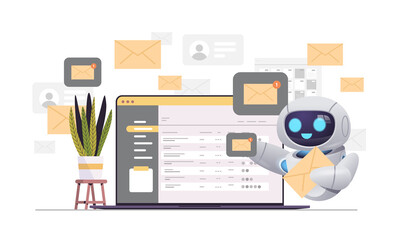
Understand your visitors: where they come from, what they do, and what makes them convert. Tools like Google Analytics help identify traffic sources, user behavior, and conversions.
Social Media Analytics
Track engagement, impressions, and growth across platforms like Meta, LinkedIn, TikTok, and X. These insights help you tweak content and strategy for maximum impact.
PPC & Advertising Analytics
Paid campaigns need tight tracking. We look at CPC, ROAS, and cost-per-conversion using tools like Google Ads and Meta Ads Manager to ensure your budget works as hard as you do.
Email Marketing Analytics
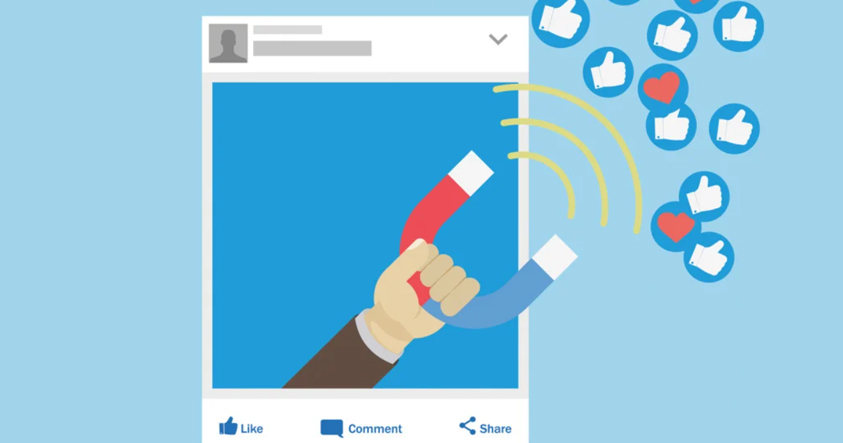
Email still converts—if you know what works. Open rates, click-throughs, and heatmaps reveal what your audience actually cares about.
CRM & Customer Journey Analytics
CRMs like HubSpot or Zoho help tie everything together—tracking leads, sources, and sales funnel progress in one view.
Key Types of Marketing Analytics
Your analytics toolkit should include:
- Reach & Impressions – Visibility of your brand
- Clicks & Conversions – What actions users take
- ROAS & CPC – Budget efficiency
- First/Last Click Attribution – Journey mapping
- Traffic Source – Where your leads come from
Before every campaign, we define KPIs that matter to your business goals
Why Work with DigitalPlus24x7?
In this article, we have briefly discussed Analytics’ Role in Measuring Marketing Performance – A Guide, and we hope you got what you came for.
At DigitalPlus24x7, we don’t just throw data at you—we translate numbers into next steps. Our analytics dashboards are clear, actionable, and designed to evolve with your campaigns. Whether you’re launching something new or scaling what works, we’ll help you see what’s really moving the needle.
Let’s innovate together! Contact DigitalPlus24x7 today and take your marketing strategy to the next level.

by digitalplus | May 15, 2025 | Technology
LinkedIn vs Instagram: Which is Better for B2B Marketing?
B2B marketing stands for “Business to Business” marketing, which means one business sells its products or services to another business, not to individual customers. It focuses on helping other businesses grow, work better, or solve problems. For example, a company that sells office furniture to big companies, or a software company that provides billing tools to small shops, is doing B2B marketing.
Even a social media agency managing Instagram pages for restaurants or hotels is part of B2B. This type of marketing is more about building strong relationships, showing how your product adds value, and helping the other business succeed in the long run.

How B2B Marketing work in LinkedIn and Instagram
Many businesses help other brands with their B2B marketing by offering services like content creation, ads, lead generation, and branding.
A digital marketing agency can help a software company with LinkedIn marketing by creating professional posts, running ads to reach decision-makers (like CEOs or HR heads), and managing their company page. For example, a recruitment agency can use LinkedIn to post success stories and attract HR managers from other firms.
On Instagram, a digital marketing agency can help a restaurant create visually appealing reels and carousel posts showcasing their ambiance, live cooking, and overall dining experience. They can also collaborate with food influencers who do food vlogging, so they reach the right audience. Even B2B brands use memes, stories, and behind-the-scenes content to build brand trust.
Which Platform is Better for B2B Marketing
Professional Networking
LinkedIn is the best platform when it comes to professional networking. It is designed especially for working professionals, business owners, and decision-makers like CEOs, managers, and HR heads. People use LinkedIn mainly to talk about their work, share industry news, post job updates, and connect with others in their field. If a business wants to reach out to other companies, pitch its services, or build strong B2B relationships, LinkedIn is the right place.
Brand Visibility
Instagram is the perfect platform for building brand visibility because it’s all about eye-catching visuals, creative content, and storytelling. For B2B brands that want to stand out, show their personality, and make people remember them, Instagram works really well. It’s not just for selfies or food pics – many businesses use it to post behind-the-scenes videos, product demos, customer stories, and creative reels.
Lead Generation
LinkedIn is a great place to run ads if you’re looking for serious business leads. People on LinkedIn are already thinking about work, so they’re more open to seeing ads about services, tools, or partnerships that can help them professionally. LinkedIn lets you target very specific audiences—like by job title, company size, or industry—so your ads reach the right people. Plus, with tools like Lead Gen Forms, it’s easy for users to share their info without leaving the app. Overall, LinkedIn ads are more likely to get noticed and trusted by people who are in a business mindset.
Creative Content
Instagram is the ideal platform for businesses that want to create engaging, creative content that catches attention and goes viral. The platform thrives on visual appeal, making it perfect for sharing videos, animations, images, and stories. For B2B brands, Instagram offers a chance to showcase creativity in a fun and engaging way. Whether it’s behind-the-scenes footage, product demos, client testimonials, or creative reels, Instagram allows businesses to showcase their personality and connect with their audience through visually captivating content.
Expert Positioning
LinkedIn is the best platform for businesses that want to position themselves as experts or leaders in their industry. It allows professionals to share valuable knowledge, insights, tips, and opinions through long-form posts, articles, or even short updates. This kind of content helps build trust and shows that the business knows what it’s talking about.
Final Verdict
In this article, we have briefly discussed LinkedIn vs Instagram: Which is Better for B2B Marketing?, and we hope you got what you came for.
LinkedIn is a great platform for professional B2B marketing and networking. It allows businesses to connect with decision-makers, share expert knowledge, and build trust through valuable content. Companies use it to generate quality leads and grow strong business relationships. It’s the best platform for serious and focused communication between businesses.
Instagram, on the other hand, is ideal for visual storytelling and showing off your brand’s personality. It helps businesses stay top-of-mind with fun, creative content like behind-the-scenes videos, team highlights, and product showcases. It’s more casual, making it great for boosting brand awareness. Instagram is best for engaging a wider audience in a memorable way.
At Digitalplus24x7, we help brands and businesses make the most of both platforms. We create professional LinkedIn content that builds trust and attracts leads, and we design creative Instagram posts that capture attention and grow your brand’s visibility. Whether you want to reach business professionals or grab attention with creative posts, we’re here to help.
Let’s innovate together! Contact DigitalPlus24x7 today and take your marketing strategy to the next level.

by digitalplus | Apr 20, 2025 | Technology
Key Advantages of Imposing AI in Digital Marketing
Artificial Intelligence (AI) is revolutionizing digital marketing by transforming the way businesses interact with customers, analyze data, and optimize marketing strategies. AI-driven tools and technologies have enabled marketers to deliver highly personalized experiences, automate repetitive tasks, and make data-driven decisions with greater accuracy.
With digital marketing becoming more competitive than ever, businesses that leverage AI can gain a significant edge over their competitors. From AI chatbots and predictive analytics to AI-driven content creation and programmatic advertising, AI is reshaping the digital marketing landscape in numerous ways.
At DigitalPlus24x7, we specialize in integrating cutting-edge AI solutions into your digital marketing strategy to enhance customer engagement, improve ad targeting, and maximize ROI. Let’s explore the key advantages of integrating AI into digital marketing.
Hyper-Personalization for Better Customer Experience
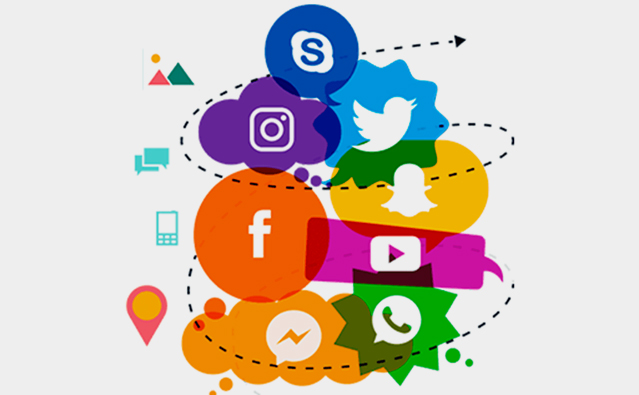
Personalization has always been at the core of effective marketing, but AI has taken it to a whole new level. AI algorithms analyze customer data, browsing history, preferences, and behavior to create highly personalized experiences. This includes personalized product recommendations, customized email marketing campaigns, and targeted advertisements.
For example, AI-powered recommendation engines like those used by Netflix and Amazon analyze user behavior to suggest content and products, leading to increased engagement and higher conversion rates. By offering tailored experiences, businesses can foster stronger relationships with customers and drive brand loyalty.
Data-Driven Decision Making with Real-Time Insights
AI excels at processing vast amounts of data at an unprecedented speed. AI-powered analytics tools can track consumer behavior, monitor campaign performance, and provide actionable insights in real time. This enables marketers to make data-driven decisions that are based on actual user interactions rather than assumptions.
Traditional data analysis methods can be time-consuming and prone to errors, but AI eliminates these inefficiencies. By using AI-driven analytics platforms like Google Analytics, HubSpot, and Adobe Sensei, marketers can track key metrics, optimize marketing strategies, and improve their return on investment (ROI).
AI-Driven Content Creation and Optimization
Content remains king in digital marketing, and AI is playing a significant role in content creation and optimization. AI-powered tools like ChatGPT, Jasper, and Copy.ai help marketers generate high-quality blog posts, social media captions, email copies, and ad creatives in seconds.
AI can also assist in SEO optimization by analyzing search engine trends, identifying high-performing keywords, and suggesting content improvements. Platforms like Clearscope and SurferSEO help businesses rank higher on search engines by optimizing their content based on AI-driven insights.
Smarter Ad Targeting and Programmatic Advertising
AI has transformed online advertising through programmatic advertising, which automates the buying and selling of ad inventory in real-time. AI analyzes user data to determine the most relevant audience segments and ensures that ads are displayed to the right people at the right time.
Platforms like Google Ads and Meta Ads use AI algorithms to optimize ad placements, reducing wasted ad spend and improving conversion rates. AI-powered ad targeting minimizes manual intervention and increases the efficiency of digital advertising campaigns.
Predictive Analytics for Customer Retention
AI-driven predictive analytics allow businesses to anticipate customer needs, identify trends, and take proactive steps to retain customers. By analyzing past purchasing behavior and engagement patterns, AI can predict which customers are likely to churn and suggest strategies to retain them.
For example, e-commerce platforms use AI to send personalized re-engagement emails, offer special discounts, or recommend complementary products based on a customer’s previous purchases. This helps businesses nurture customer relationships and improve long-term retention.
Sentiment Analysis for Brand Reputation Management
AI-powered sentiment analysis tools help businesses monitor social media mentions, online reviews, and customer feedback to gauge public perception of their brand. AI analyzes text data to determine whether customer sentiments are positive, negative, or neutral, allowing businesses to address concerns proactively.
For instance, AI-driven tools like Brandwatch and Sprout Social help businesses track brand mentions and respond to negative feedback in real-time, ensuring a strong online reputation.
Cost and Time Efficiency with AI-Powered Automation
One of the biggest advantages of AI in digital marketing is automation. AI automates repetitive tasks like email marketing, social media posting, customer segmentation, and A/B testing. This saves valuable time and reduces operational costs.
For example, AI-driven marketing automation platforms like HubSpot, Marketo, and Mailchimp enable businesses to schedule and personalize email campaigns without manual intervention. This allows marketers to focus on strategy and creativity rather than spending time on routine tasks.

Voice Search Optimization for AI Assistants
With the rise of AI-powered voice assistants like Google Assistant, Siri, and Alexa, voice search is becoming a key aspect of digital marketing. AI helps businesses optimize their content for voice search by identifying conversational keywords and structuring content in a way that aligns with natural language queries.
By optimizing for voice search, businesses can improve their search engine rankings and ensure that their content is discoverable through AI-driven voice assistants.
Final Verdict
In this article, we have briefly discussed Key advantages of Imposing AI in Digital Marketing, and we hope you got what you came for.
AI is no longer just a futuristic concept—it is actively transforming digital marketing by improving personalization, optimizing advertising strategies, and automating repetitive tasks. Businesses that embrace AI-driven marketing solutions can enhance customer engagement, increase efficiency, and drive higher revenue.
As AI continues to evolve, its role in digital marketing will only become more crucial. Brands that leverage AI today will be better positioned to stay ahead of the competition and deliver superior customer experiences in the future.
At DigitalPlus24x7, we help brands like yours leverage AI-driven marketing strategies to boost engagement, optimize campaigns, and drive higher conversions. From smart automation to data-driven insights, we bring the future of digital marketing to you!
Let’s innovate together! Contact DigitalPlus24x7 today and take your marketing strategy to the next level.